
Product guidance
Navigating AI-Managed Inboxes: The New Standard for Data Quality
Learn how AI-managed inboxes require strict data quality and how real-time registration signals support email deliverability for AI inboxes.
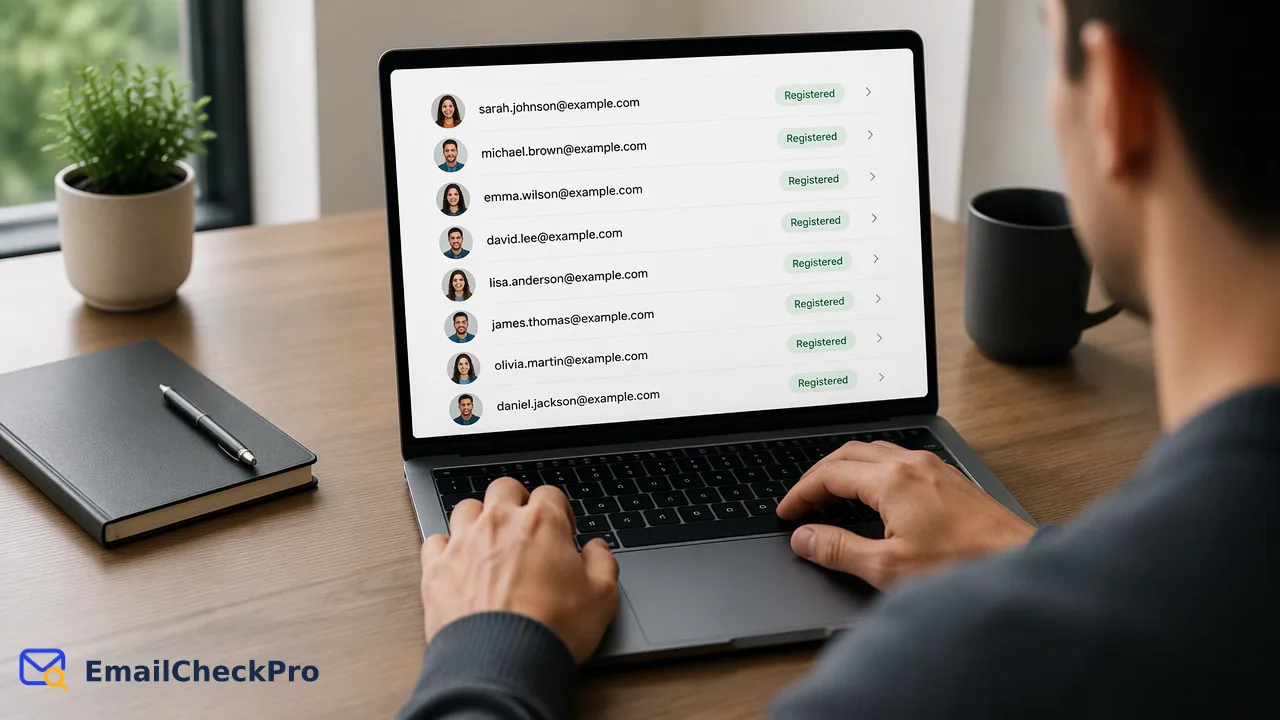
AI agents are increasingly acting as gatekeepers for corporate inboxes, necessitating a shift in how organizations approach data quality. Discover how real-time registration signals help teams maintain clean contact lists and adapt to AI-driven filtering.
AI-managed inboxes use automated agents to filter, route, and prioritize incoming messages, fundamentally changing the requirements for data quality. To adapt to these automated gatekeepers, organizations must prioritize high-quality, verified contact data over legacy list-building methods. By integrating these signals into data-quality workflows, teams can maintain a clean database that aligns with the strict relevance and legitimacy standards of modern AI-managed environments. This approach supports proactive list hygiene without relying on outdated metrics.
The Rise of the AI Gatekeeper
The emergence of AI-managed inboxes introduces automated agents that read, route, and filter emails on behalf of users. These AI gatekeepers act as intermediaries, assessing incoming messages to determine their relevance and legitimacy before they ever reach a human reader. Because these systems continuously analyze incoming data patterns, organizations must adjust their data-quality workflows to accommodate strict automated filtering. Traditional approaches to list management are no longer sufficient when AI agents evaluate the structural integrity of a sender's contact database. Maintaining an updated, clean database is critical to avoid triggering negative signals within these automated filtering systems. Organizations must shift their focus toward proactive data validation, confirming that every contact record represents a valid, reachable provider account at the time of processing. By understanding how AI agents process incoming data, technical teams can better align their infrastructure with modern requirements. This shift necessitates a rigorous approach to contact data, where real-time validation becomes a foundational step in any communication workflow targeting AI-managed environments.
Why Data Quality is the Primary Defense
In an environment controlled by automated agents, data quality serves as the primary defense against aggressive filtering. AI filtering systems prioritize relevance and legitimacy, which are heavily tied to the overall quality and hygiene of the sender's contact list. When organizations attempt to route messages to invalid or closed accounts, AI gatekeepers detect these anomalies and may adjust how they process future data from that source. Teams must implement continuous data-quality workflows to keep their contact databases pristine. By treating data hygiene as a continuous operational requirement rather than a periodic task, organizations can support smoother interactions with AI-managed inboxes. High-quality, verified contact data informs internal decisions and helps teams review their lists effectively, helping communication infrastructure align with the strict expectations of modern automated routing systems.
Leveraging Real-Time Registration Signals
Real-time registration checks provide a vital tool for organizations adapting to AI-managed inboxes. Using the POST /api/v1/check endpoint for single addresses or POST /api/v1/batch-check for up to 100 addresses synchronously, teams can query the exact status of an email account. It confirms that the account is present at the provider, which helps teams remove invalid addresses from their databases. Instead, it serves as one input alongside other checks to support contact-record review. By identifying closed accounts or typos in real-time, organizations can maintain the high data-quality standards required by AI gatekeepers, helping their lists contain only reachable provider accounts.
Handling Catch-All Domains in Data Workflows
These domains are configured to accept messages sent to any prefix, making traditional validation challenging. This specific response is crucial for data-quality workflows, as it helps organizations avoid falsely categorizing an address as valid or invalid. Teams must handle these undetermined results appropriately within their internal logic, often by routing them to secondary review processes or applying different hygiene rules. Understanding this distinction helps organizations maintain accurate databases without polluting their systems with assumed data.
Integrating Public Avatar Signals for Context
Beyond basic registration checks, teams can utilize public avatar signals to gather additional context for their data-quality workflows. The Email Avatar Check evaluates public avatar availability alongside registration status for supported Gmail, Yandex, and Mail.ru email families. When AI-managed inboxes assess incoming data, having rich, verified contact records can support broader organizational strategies. Teams can use these avatar signals as one input for contact-record review, helping to prioritize certain addresses or flag anomalies in user-provided data. By combining the provider reachability signal with public avatar availability, organizations build a more comprehensive view of their contact database, further aligning their data hygiene practices with the sophisticated requirements of modern automated environments.
Best Practices for Asynchronous Bulk Processing
Teams can utilize the POST /api/v1/bulk-tasks endpoint to run file-based registration and avatar checks for lists ranging from 1,000 to 100,000 email addresses per task. This asynchronous capability helps organizations process large volumes of contact data without tying up synchronous system resources. Best practices dictate running these bulk tasks regularly to identify accounts that have been closed or deactivated since the last review. By systematically cleaning large datasets, teams help their entire communication infrastructure remain optimized for AI gatekeepers. Integrating these bulk checks into routine data-quality workflows helps organizations maintain a pristine database, providing the consistent provider reachability signals necessary to navigate the complexities of AI-managed inboxes effectively.
FAQ
How do AI agents change email data-quality requirements?
AI agents act as automated gatekeepers that read, route, and filter incoming messages before they reach human recipients. These systems continuously evaluate the structural integrity and quality of a sender's contact database. To accommodate this, organizations must shift from legacy list-building methods to rigorous, proactive data validation. Maintaining a clean database with verified provider reachability signals is now a fundamental requirement for interacting with AI-managed environments.
What does a registered email status indicate for AI filtering?
It confirms the account exists at the provider, helping teams remove invalid addresses from their lists. Teams should use this signal as one input for contact-record review to maintain the high data-quality standards expected by AI gatekeepers.
How should teams handle catch-all domains during list hygiene?
Teams should configure their data-quality workflows to recognize this specific response and route these addresses for secondary review or apply distinct hygiene rules. Properly handling undetermined results helps organizations avoid falsely categorizing data, supporting AI filtering systems in evaluating only accurate, deterministic reachability signals.